
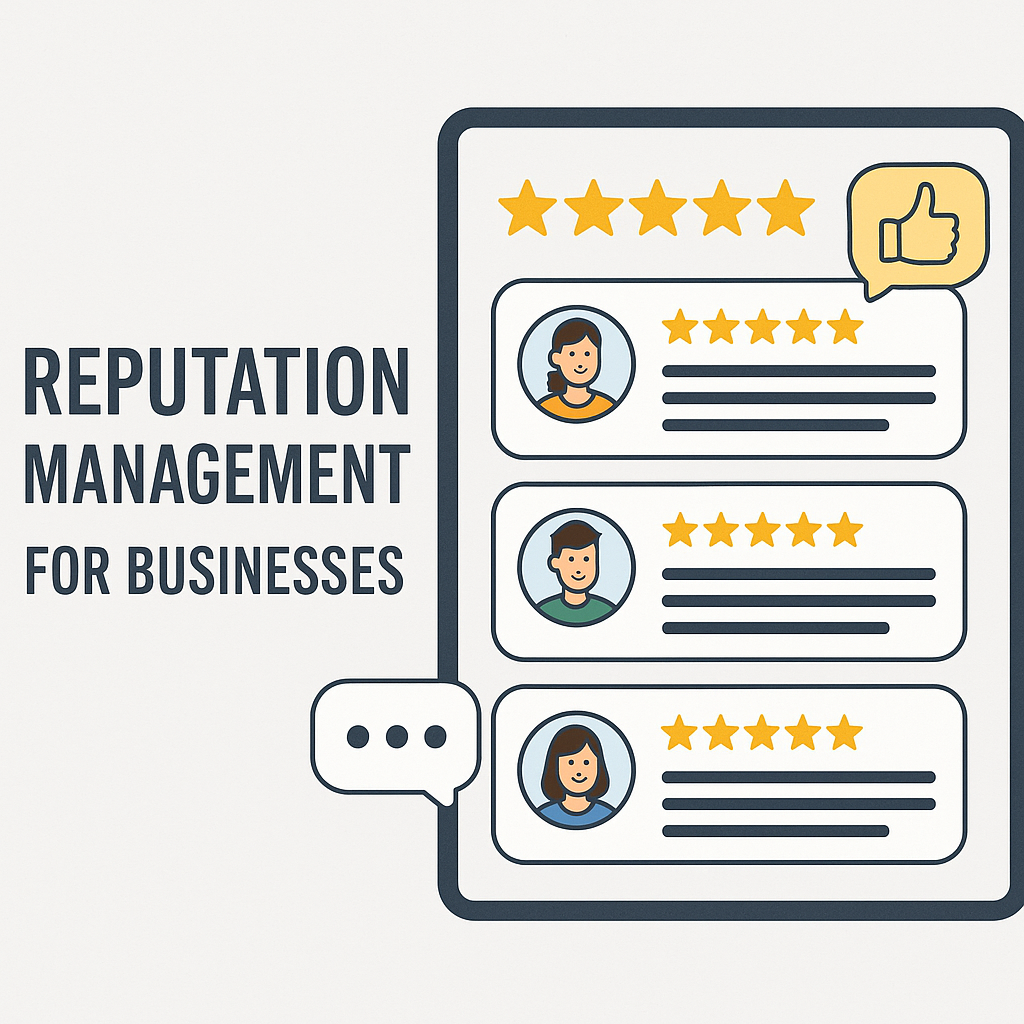
Reputation management for business – build trust today – Responsly AI.
The Importance of Reputation Management
In today’s business world, reputation is everything. Consumers are increasingly influenced by online reviews and testimonials, making it essential for businesses to manage their reputation effectively. Reputation management for business involves a strategic approach aimed at shaping public perception by addressing and improving the company's image. This entails monitoring feedback, responding to reviews, and ensuring that a positive narrative is maintained across various platforms.
How Reputation Management Works
Reputation management for business generally operates in a few key areas. First, it begins with monitoring. Businesses must closely track their online presence across social media, review sites, and forums. This not only includes positive feedback but also negative comments, as understanding what customers are saying can provide valuable insights into areas for improvement.
Once feedback is gathered, the next step involves responding appropriately. Engaging with customers, whether they leave positive or negative remarks, demonstrates that the business values their opinions. This interaction can help to mitigate any negativity and, in many cases, turn a dissatisfied customer into a loyal advocate.
Building a Positive Online Presence
An essential element of reputation management consists of proactively creating and promoting positive content. This can involve sharing success stories, customer testimonials, and behind-the-scenes looks at the company. Such content not only bolsters the company's image but also contributes to building trust with consumers.
Moreover, encouraging satisfied customers to leave positive reviews enhances a business’s reputation organically. However, businesses must ensure they are not engaging in unethical practices, such as buying reviews, as this can lead to more damage if discovered.
Addressing Negative Feedback
When it comes to negative feedback, how a business responds can make all the difference. A structured approach to tackling criticism is crucial. This involves acknowledging the issue, apologizing when necessary, and providing a resolution. A well-handled response can showcase the company’s commitment to customer satisfaction and transparency. Additionally, it is vital to remain calm and collected in these situations, demonstrating professionalism even when faced with harsh criticism.
Moreover, businesses should understand the role of search engine rankings in reputation management. Negative reviews can impact visibility, so working to push down unfavorable content through positive links and content can be beneficial. The right approach will help ensure that potential customers find favorable information when searching for the business online.
Utilizing Tools for Effective Management
With the growing complexity of managing a business’s reputation, many organizations turn to specialized software tools that help streamline this process. These tools can assist in monitoring online mentions, generating reports, and even analyzing sentiment from customer feedback. By leveraging technology, companies can stay ahead of potential issues and respond swiftly, ensuring their reputation remains intact.
Professional services also become an appealing option for businesses aiming to enhance their reputation management. Having experts who specialize in managing online presence can lead to a more strategic and informed approach. For more on how these features can help improve business functionality, visit features.
Ultimately, reputation management for business is not something that can be ignored. It requires ongoing effort, strategic planning, and a commitment to customer satisfaction. As the business landscape continues to evolve, adopting effective reputation management practices will play a critical role in long-term success.
``` ```