
review analytics for enhanced decision-making – Responsly AI
Understanding Review Analytics
In a world where consumer opinions are readily shared and accessible, using review analytics can be a game changer for businesses. This powerful tool helps companies gather and interpret feedback from customers, enabling them to make informed decisions about their products or services. Understanding how to leverage review analytics effectively can provide valuable insights and improve customer satisfaction.
Gathering Data
The first step in using review analytics is to gather data from various platforms. This includes feedback from social media, Google Reviews, Yelp, and other online forums where customers express their experiences. Once collected, this data serves as a foundation for analysis. Businesses can utilize software tools designed to streamline the collection process, ensuring that every piece of feedback is captured systematically.
Analyzing Sentiment
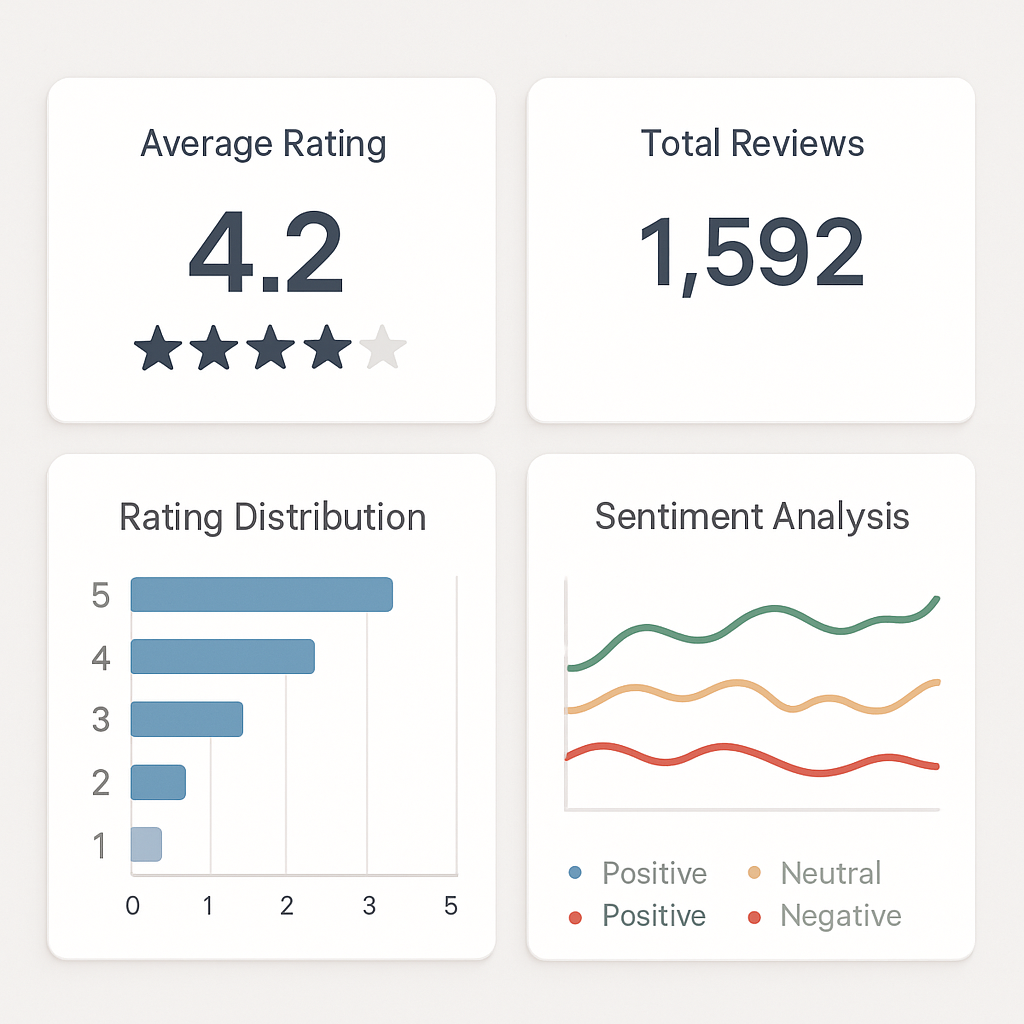
After collecting reviews, the next crucial step is analyzing the sentiment behind them. Review analytics can help identify whether customers are expressing positive, negative, or neutral sentiments. This analysis often involves natural language processing techniques to break down the language used in reviews. By understanding the overall sentiment, businesses can address any common concerns or capitalize on positive feedback. Consider how a software feature dedicated to sentiment analysis can help you sort through hundreds of reviews with ease. For example, tools can categorize responses based on recurring themes that emerge from reviews.
Identifying Trends
Using review analytics to identify trends can be instrumental in shaping future strategies. By observing patterns in customer feedback, a business can pinpoint specific areas that require attention or improvement. This might involve recognizing persistent complaints related to a product feature or uncovering positive feedback about a service aspect that customers really appreciate. Taking action based on these insights can significantly enhance the customer experience.
Benchmarking Against Competitors
Another effective application of review analytics is benchmarking against competitors. By comparing your review ratings and customer feedback with that of rivals, it is possible to gain insights into where your business stands in the marketplace. This also allows you to identify opportunities to outperform competitors in key areas such as product quality, customer service, and overall satisfaction. It can be quite revealing to see how your scores measure up, guiding strategic adjustments to enhance offerings.
Making Informed Decisions
Ultimately, the goal of using review analytics is to make informed decisions that can steer your business towards greater success. By integrating customer feedback into your strategy, you cultivate a culture of responsiveness and improvement. This approach helps build trust with customers, as they see that their opinions are valued and acted upon. With tools designed for understanding review analytics, companies can take practical steps toward enhancing their brand reputation.
For businesses looking to dive deeper into their analytics, exploring the features offered by various software can provide additional insights. For more on how different tools can aid in this process, visit this page. Understanding how to effectively apply review analytics will not only empower you in managing customer relationships but also enrich the overall experience for those who interact with your brand.
``` ```